
UN Warns Against a Siege on Mukalla: Growing Humanitarian Concerns
- 2025-12-31 08:08:24
Hadramout – A spokesperson for the United Nations Office for the Coordination of Humanitarian Affairs (OCHA) has warned of serious humanitarian repercussions stemming from any measures that could lead to the imposition of a siege on the city of Mukalla, the capital of Yemen’s Hadramout governorate, stressing that such steps would have a direct impact on civilians and on the ability of humanitarian organizations to deliver essential aid.
A Clear UN Warning
The spokesperson explained that imposing restrictions on the movement of civilians, goods, or humanitarian supplies constitutes a violation of the principles of international humanitarian law, emphasizing that humanitarian work must remain neutral and insulated from political or military conflicts. The spokesperson added that any blockade—even a partial one—could trigger a rapid deterioration in food security and public health, particularly among children, women, and the elderly.
Mukalla: Hadramout’s Lifeline
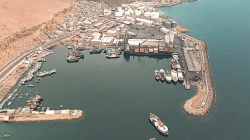
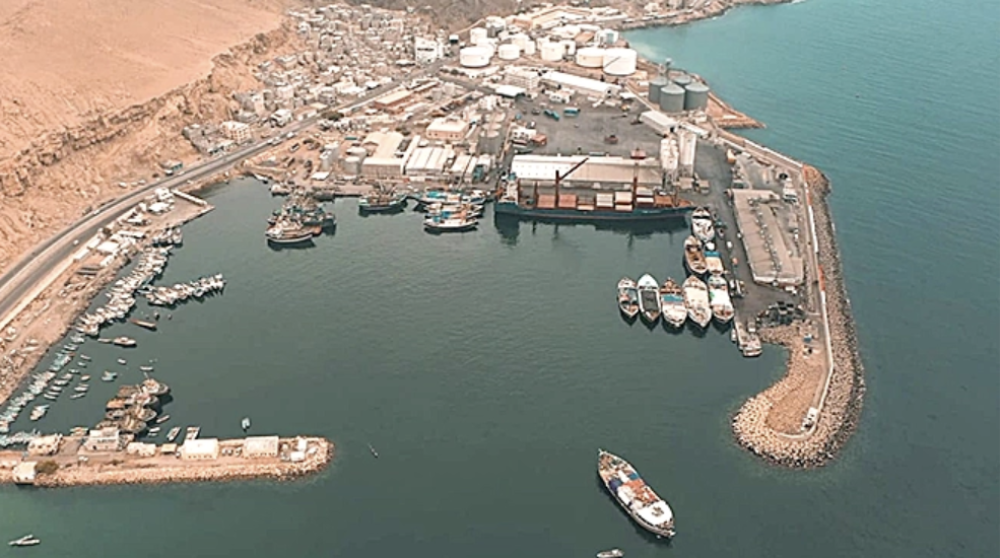
Mukalla holds strategic importance as a major urban and coastal hub upon which residents of Hadramout rely for food, medical, and commercial supplies. Observers warn that disrupting the city’s movement or its ports could affect the entire governorate, including inland areas that depend on Mukalla as a primary logistical corridor.
Direct Impact on Humanitarian Operations
The UN spokesperson affirmed that humanitarian organizations would face significant challenges in carrying out their work if access restrictions were imposed, calling on all parties to guarantee freedom of movement for relief efforts and to refrain from using security measures as a form of pressure that harms civilians.
International Monitoring and Legal Responsibility
The report noted that the United Nations is closely monitoring developments and will submit reports to the relevant international bodies, holding any parties behind a potential siege fully responsible for any humanitarian deterioration, and reaffirming that the protection of civilians is a non-negotiable priority.
Amid escalating UN warnings, Mukalla faces a critical test: either maintaining the flow of daily life and essential services, or confronting wide-ranging humanitarian consequences that could extend beyond the city’s boundaries. Between political and security maneuvers, civilians remain the most vulnerable, placing a responsibility on the international community to act to prevent any measures that would further exacerbate their suffering.